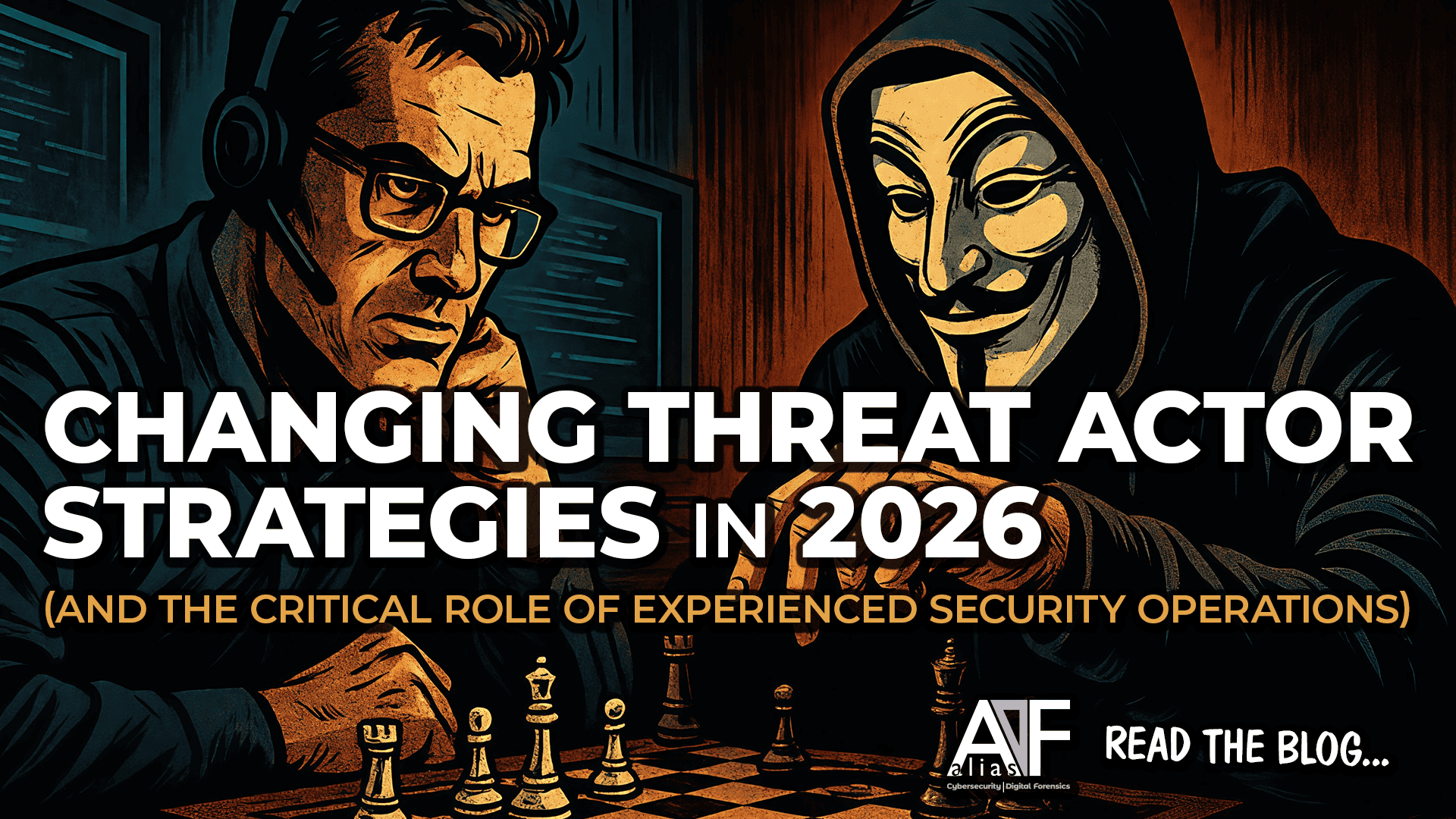
As we move deeper into 2026, cyber threat actors continue to evolve at a pace that challenges even mature security programs. The developments seen throughout 2025—faster attack execution, identity-based intrusions, and widespread use of artificial intelligence—have not slowed. Instead, they have matured into highly efficient, scalable attack models defined by speed, precision, and stealth.
Organizations that align their defenses with these realities are far better positioned to detect and contain modern threats before they escalate into business-impacting incidents.
Accelerated Attack Timelines Are Now the Norm
One of the most important shifts carried into 2026 is the dramatic reduction in breakout time—the window between initial access and lateral movement. In many eCrime campaigns observed over the past year, attackers have been able to move through environments and begin data exfiltration in under 30 minutes.
This level of speed leaves almost no margin for delayed detection or manual response. Adversaries are combining automation with readily available offensive tools to identify vulnerabilities, gain access, and pivot laterally before traditional alerting mechanisms trigger meaningful action.
For defenders, this reinforces a critical reality: detection and response must operate in near real time.
AI Is Now Embedded Across the Attack Lifecycle
Artificial intelligence is no longer experimental in cybercrime—it is operational. Threat actors are leveraging AI across multiple stages of the attack chain:
- Crafting highly convincing phishing and social engineering campaigns
- Automating reconnaissance and vulnerability discovery
- Generating polymorphic code that evades signature-based defenses
- Enhancing impersonation techniques (including business email compromise)
At the same time, a growing percentage of attacks are now malware-free. Instead of relying on traditional payloads, attackers exploit legitimate administrative tools, stolen credentials, and “living-off-the-land” techniques.
This shift significantly reduces the effectiveness of legacy antivirus and signature-based detection models.
Ransomware Has Evolved Into Data Extortion at Scale
Ransomware operations in 2026 are fundamentally different from early encryption-focused campaigns. Today’s attackers prioritize data exfiltration first, using the threat of exposure as their primary leverage.
Common tactics now include:
- Double extortion (data theft + encryption)
- Triple extortion (adding regulatory or reputational pressure)
- Data leak marketplaces and public shaming tactics
Ransomware-as-a-Service (RaaS) ecosystems continue to lower the barrier to entry, enabling less sophisticated actors to launch campaigns using established infrastructure.
Groups such as Qilin, Akira, and Clop have remained highly active, demonstrating resilience and adaptability even after law enforcement disruption efforts. Their consistency highlights the maturity of modern ransomware operations as sustainable criminal enterprises.
Nation-State Activity and Hybrid Threats Are Increasing
State-sponsored actors remain highly active in 2026, often operating alongside or in parallel with criminal groups.
- Chinese-linked campaigns (e.g., Volt Typhoon–style operations) focus on long-term access to critical infrastructure
- Russian-aligned actors continue targeting government and private sector entities with espionage and disruptive attacks
- Hybrid threat models blend financial motives with geopolitical objectives
Additionally, ideologically motivated and opportunistic non-state actors have added unpredictability to the threat landscape, especially during global or regional conflicts.
Industries Most Targeted in 2026
Several sectors continue to face disproportionate targeting due to their operational importance and data value:
- Manufacturing: High attack volume driven by supply chain dependencies and intellectual property
- Healthcare: Valuable patient data and high operational urgency
- Financial Services: Direct monetary access and heavy regulatory exposure
Other frequently targeted sectors include:
- Professional services
- Education
- Energy and utilities
- Transportation and logistics
Attackers increasingly prioritize organizations where downtime, disruption, or data exposure carries immediate financial or societal impact.
Expanding Attack Surfaces: Identity, Cloud, and Supply Chain
Modern environments have significantly expanded attack surfaces, creating new entry points for adversaries:
Key Risk Areas:
- Identity systems: Credential theft, MFA bypass, session hijacking
- Cloud environments: Misconfigurations, exposed APIs, weak access controls
- Supply chains: Compromised vendors and software providers
Threat actors are now actively mapping vendor relationships to identify high-leverage targets such as managed service providers and software supply chains. A single breach can cascade across dozens—or hundreds—of downstream organizations.
Why Experienced Security Operations Matter More Than Ever
In this environment, the difference between a contained incident and a major breach often comes down to the quality of security operations.
Organizations lacking mature detection and response capabilities face:
- Increased dwell time
- Higher likelihood of data exfiltration
- Greater operational disruption
Internal teams frequently struggle with alert fatigue, staffing limitations, and the need for 24/7 coverage. As a result, many organizations are turning to Security Operations Centers (SOCs) and Managed Security Service Providers (MSSPs) for support.
Core Technologies Powering Modern SOCs
Endpoint Detection and Response (EDR)
Provides granular visibility into endpoint activity, including processes, file changes, and system behavior.
Extended Detection and Response (XDR)
Correlates data across multiple domains:
- Endpoint
- Network
- Email
- Cloud
- Identity
This cross-layer visibility enables earlier detection of complex, multi-stage attacks.
Security Information and Event Management (SIEM)
Supports:
- Log aggregation and retention
- Compliance reporting
- Forensic investigations
When integrated with XDR and SOC workflows, SIEM platforms enhance detection accuracy and investigative depth.
The Advantages of MSSP Partnerships
MSSPs provide immediate access to:
- Experienced analysts
- Threat intelligence informed by real-world engagements
- Scalable monitoring and response capabilities
- Continuously updated detection playbooks
This model allows organizations to maintain strategic control while offloading resource-intensive operational tasks.
Practical Steps to Strengthen Security Operations
Organizations looking to improve their security posture in 2026 should focus on:
- Assessing current maturity across endpoint, network, cloud, and identity coverage
- Establishing incident response playbooks for common attack scenarios
- Conducting regular tabletop exercises to validate readiness
- Integrating tools and workflows for faster detection and escalation
- Investing in staff training and retention
Hybrid models—combining internal leadership with external MSSP support—often deliver the strongest outcomes.
Preparing for the Rest of 2026 and Beyond
Cybersecurity in 2026 is no longer about prevention alone—it is about resilience through rapid detection and response.
Threat actors will continue to:
- Accelerate attack timelines
- Refine evasion techniques
- Exploit identity and trust relationships
Organizations that succeed will be those that treat security operations as a continuous, business-critical function—not a periodic initiative.
The goal is not perfect prevention. It is consistent, reliable detection and response that limits impact, preserves operations, and supports rapid recovery.
Key Takeaway
In today’s threat landscape, the organizations that fare best are not necessarily those with the most tools—but those with the most operationally mature security programs, backed by experienced analysts, integrated technologies, and proven response processes.
Need help with SOC Monitoring? Learn More.